

Journal
How to Relocate an Office Without Disrupting Business Operations
29 Jun 2026 · 4 min read · By CorporatEdge Editorial
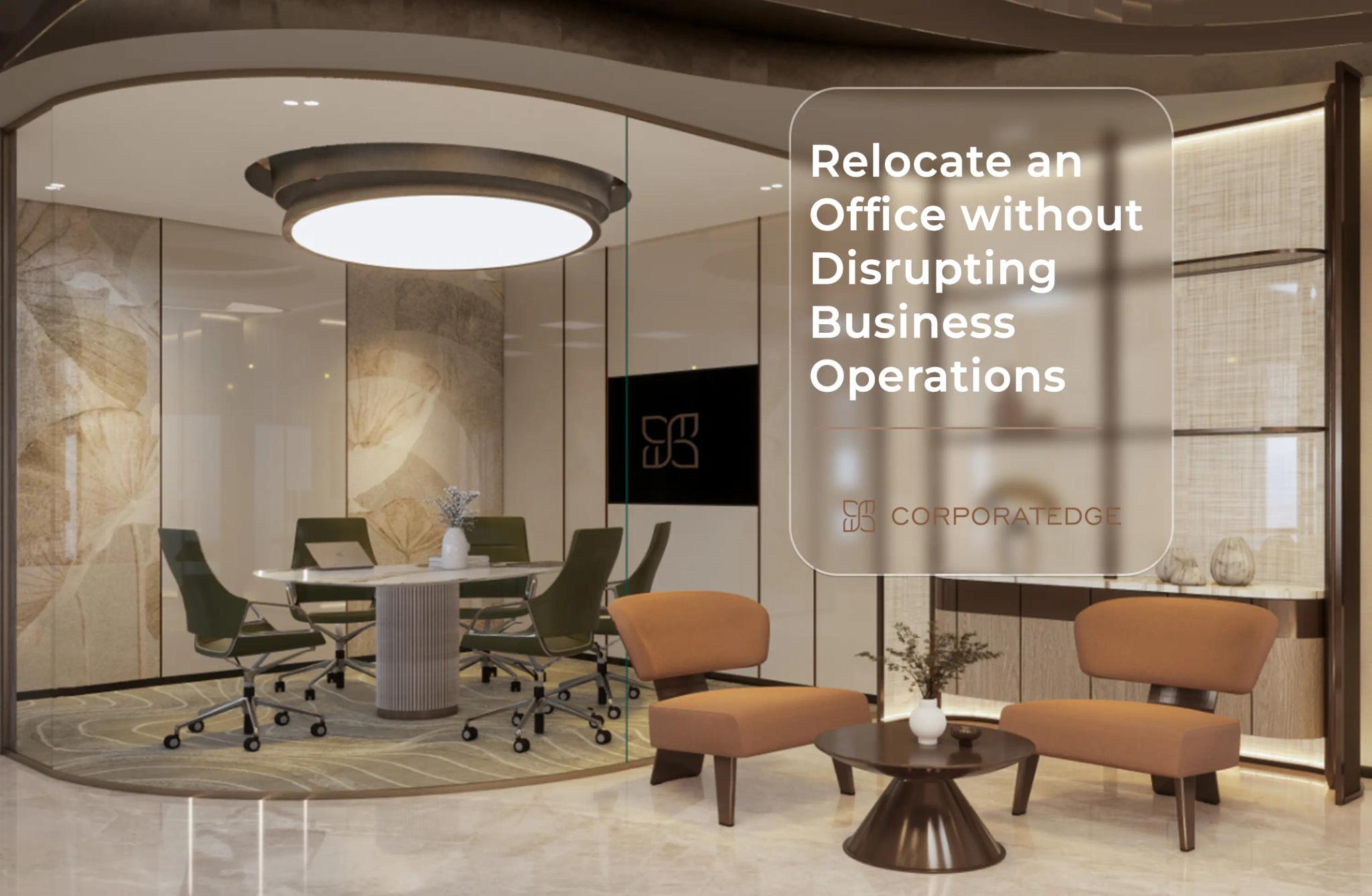
workspace
How to Relocate an Office Without Disrupting Business Operations
CorporatEdge
Relocating an office is often a sign of progress.
It may reflect a growing team, an expanding business, or the need for a workspace that better supports the way people work today.
But while a new address marks the beginning of an exciting chapter, the transition itself can be complex. Beyond packing boxes and moving furniture lies a much bigger challenge: keeping the business running without interruption.
A successful office relocation isn't measured by how quickly the move is completed. It's measured by how seamlessly employees settle in, how little customers notice the transition and how confidently the business continues to operate.
Whether you're relocating a team of 50 or an ,enterprise headquarters, thoughtful planning can make all the difference.
Key Steps to Relocate an Office Without Disrupting Business Operations
1. Start with the Business Objective
Before discussing layouts, furniture or moving dates, define why you're relocating.
Are you expanding your workforce, bringing hybrid teams together, improving employee experience, moving closer to customers or talent, or preparing for future growth?
The answers will shape every decision that follows, from the location you choose to the way the workspace is designed.
The most successful office managded business strategy, not real estate.
2. Build a Relocation Strategy, Not Just a Checklist
An office relocation affects almost every part of the organisation.
Rather than treating it as a facilities project, approach it as a business continuity initiative with clearly defined ownership and timelines.
Your relocation plan should cover:
- Business continuity
- Technology migration
- Employee communication
- Vendor coordination
- Workspace readiness
- Budget and timelines
- Compliance and security
3. Put People at the Centre of the Move
The biggest change during an office relocation isn't the address. It's the employee experience.
A new commute, different workspaces and unfamiliar surroundings can all influence how quickly teams adapt.
Keep employees informed about:
- Relocation timelines
- New workspace facilities
- Seating arrangements
- Parking and transport
- IT support
- Frequently asked questions
4. Make Technology Ready Before People Arrive
Technology is often the backbone of business operations.
Before moving day, ensure that critical systems are fully operational, including:
- Internet connectivity
- Network infrastructure
- Video conferencing systems
- Access control
- Phone systems
- Printers and shared devices
5. Design for Tomorrow, Not Just Today
An office relocation presents a valuable opportunity to rethink the workspace itself.
Ask yourself:
- Will this workspace support our business three years from now?
- Can it accommodate future expansion?
- Does it reflect our culture?
- Will it encourage people to work together more effectively?
6. Look Beyond the Office. Think About the Workspace Experience.
Today's employees expect more than a functional office.
Consider features such as:
- Collaborative work areas
- Quiet focus zones
- Meeting and innovation spaces
- Wellness amenities
- Food and beverage options
- Natural light and ergonomic design
7. Choose a Workspace Partner, Not Just a Moving Partner
Relocating an office involves much more than transporting furniture.
It requires workspace planning, technology readiness, operational coordination and an understanding of how the business functions.
Many organisations today choose workspace partners who can support the entire journey, from workspace strategy and design to move management and ongoing operations.
At CorporatEdge, we've found that the smoothest office relocations begin long before moving day. When workspace planning, operational readiness and employee experience are considered together, businesses are able to transition with minimal disruption while creating workspaces that support long-term growth.
8. Before You Move, Ask These Five Questions
Before finalising your relocation, take a step back and ask:
- Will this workspace support our business as we grow?
- Does it reflect our organisation's culture and brand?
- Will employees enjoy coming here every day?
- Can we continue operating with minimal disruption during the move?
- Are we simply changing offices, or creating a better workspace?
Final Thoughts
An office relocation is more than a change of address.
It's an opportunity to create a workspace that better supports your people, reflects your business and prepares your organisation for what's next.
At CorporatEdge, we believe the most successful workspaces are built around people and business needs, not just floor plans. When thoughtfully planned, an office move becomes more than a logistical exercise. It becomes the foundation for future growth.
Frequently Asked Questions
How can businesses relocate an office without disrupting operations?
Start planning early, define clear responsibilities, prepare technology in advance and communicate regularly with employees. Working with an experienced workspace partner can also help minimise disruption.
How far in advance should an office relocation be planned?
For most organisations, planning should begin at least three to six months before the intended move, depending on the size and complexity of the workspace.
What is the biggest challenge during an office relocation?
Maintaining business continuity. Technology downtime, poor communication and inadequate planning are among the most common causes of disruption.
Why is employee communication important during an office move?
Employees who understand the relocation plan are better prepared for the transition, helping reduce uncertainty and maintain productivity throughout the move.
Should businesses choose a managed workspace when relocating?
Many organisations are choosing managed workspace solutions because they simplify workspace planning, operational setup and ongoing management, allowing businesses to focus on growth while ensuring a seamless workspace experience.
More from the Journal
 Journal
25 Jun 2026 · 6 min read
The Anchor of the Hybrid Era: Elevating the Modern Office Experience
For years, the corporate world operated on a simple rule: productivity required a fixed desk, a daily commute, and a five-day office week. The hybrid era is rewriting that.
Explore More Journal
23 Apr 2026 · 7 min read
Best Office Spaces in Pune for IT and Tech Companies
Discover the best office spaces in Pune for IT and tech companies. Explore top locations, workspace types, and tips to choose the right setup.
Explore More Journal
23 Apr 2026 · 7 min read
Top Business Locations in Pune for Corporate Offices
Explore top business locations in Pune like Hinjewadi, Kharadi, Baner, and Wakad. Find the best area for your corporate office setup.
Explore More
A workspace as consideredas your work.
Explore how CorporatEdge designs, delivers and manages workspaces for India's leading enterprises and GCCs.